INKE - An imperfect AI to uphold human agency : vindicating the ‘yes but’ of this world

2026-06-04
The Problem with Convincing Algorithms
Persuasiveness of Computer Systems is not new :
Perceived objectivity (Dijkstra, Liebrand, and Timminga 1998) is not mitigated despite blindness to an algorithm’s process(Logg, Minson, and Moore 2019).
Current literature tells us that an algorithm’s outputs can influence someone even after the system is removed (Vicente and Matute 2023).
Consequence
Exacerbation of old problems :
- Shadow AI
- Cognitive offloading (Kosmyna et al. 2025)
Consequence
Exacerbation of old problems :
- Shadow AI
- Cognitive offloading (Kosmyna et al. 2025)
If we do not question the authority of the machine, are we becoming the assistant’s assistants?
Questions
- Why do people rely on chatbots?
Questions
Why do people rely on chatbots?- How can we design systems that foster engagement and critical thinking?
Can a Eror Become a Solucion?
What if the system’s potential for errors was exposed rather than concealed?
Did you catch the errors in the previous slide ? if so, did you feel the urge to correct them?
Can an Error Become a Solution?
What if the system’s potential for errors was exposed rather than concealed?
Corrective Feedback: a Dialog in Practice
From the tension between letting the machine shape our ideas and the desire to correct and begin a dialog rises an opportunity to shape new practices in research and design tools fostering digital and AI literacy.
Example : IEML-RS
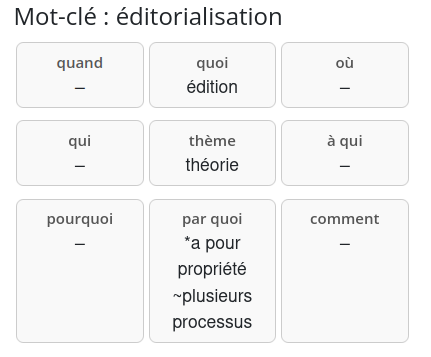
IEML grid with 9 fixed semantic facets
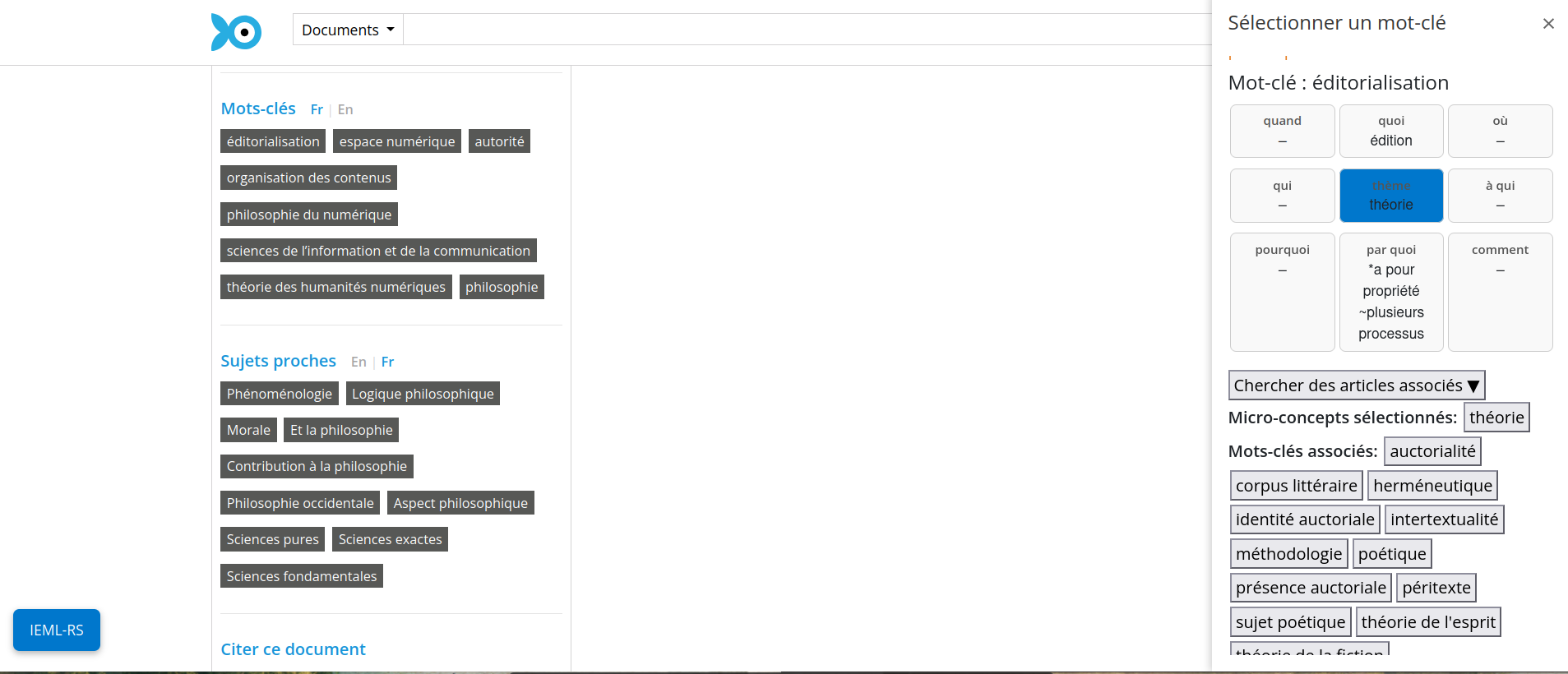
Plugin: selection of a concept translated into IEML
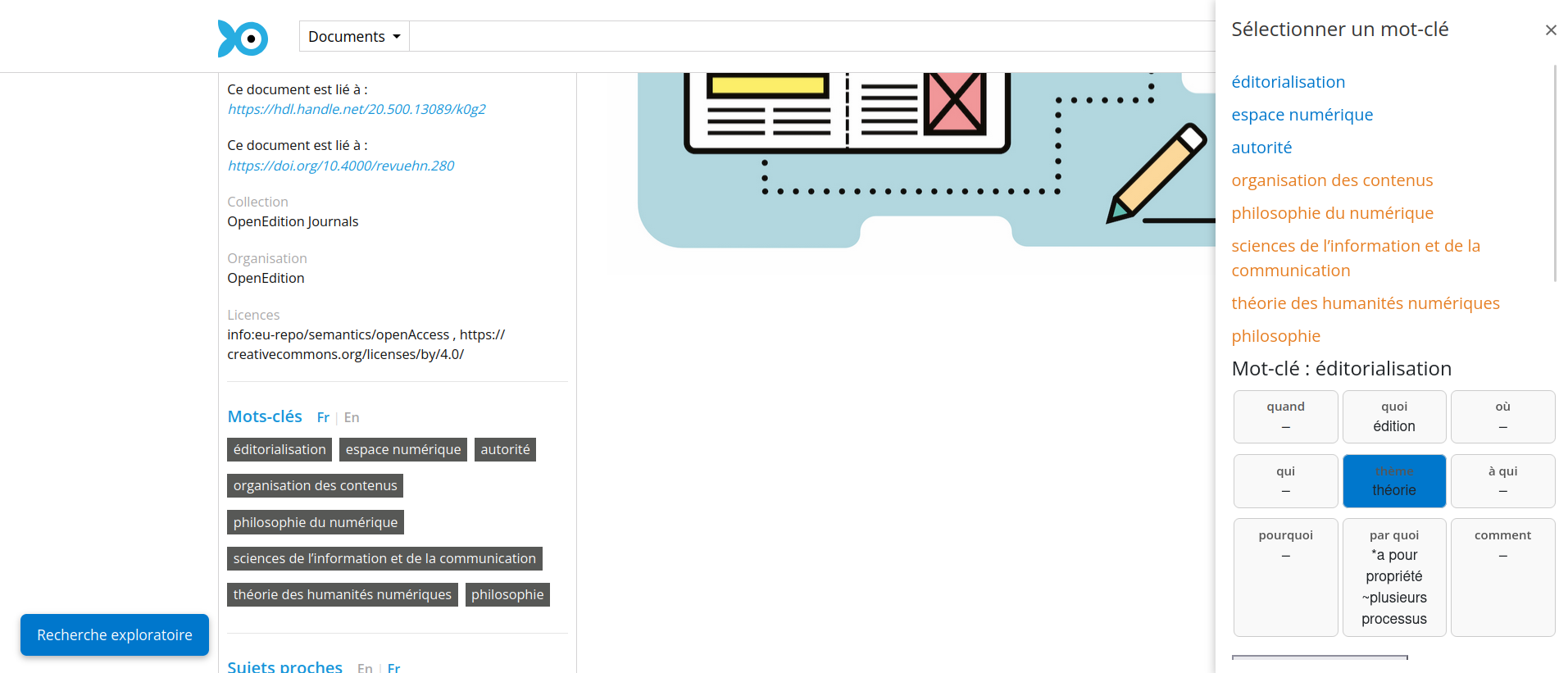
Plugin: selection of a concept translated into IEML
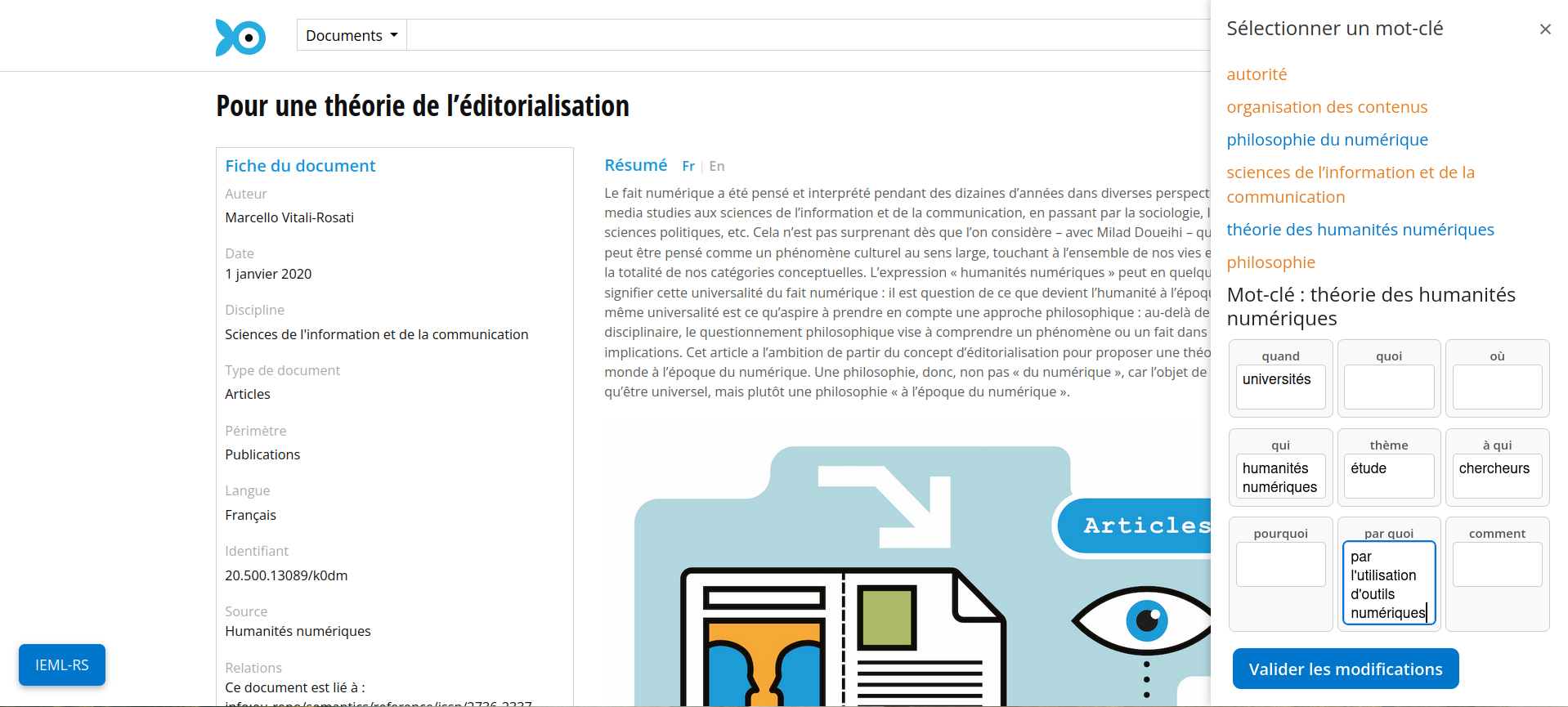
Plugin: selection of a concept NOT YET TRANSLATED into IEML
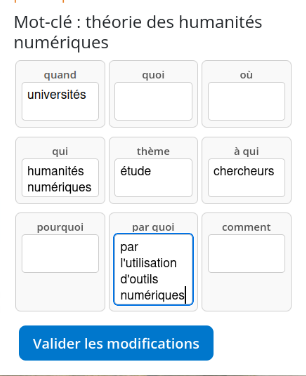
LLM generated translation, close up
Conclusion
The dysfunctional (Vitali-Rosati 2024) can be a fertile component of collaborative dialogical process between imperfect algorithms and the observed human tendency to correct.
Thank you
Bibliography

Alexia Schneider - 2026